
This is a guest post by Jean-Nicolas Armstrong-Dangelser, Senior Operations Advisor with Médecins Sans Frontières (Doctors Without Borders).
The War on Sudan: the Choice is Ours
“The choice is ours.” This sentence has echoed in my mind throughout the time I spent in Sudan as part of the operational support team responding to the humanitarian needs caused by more than 30 months of reckless war.
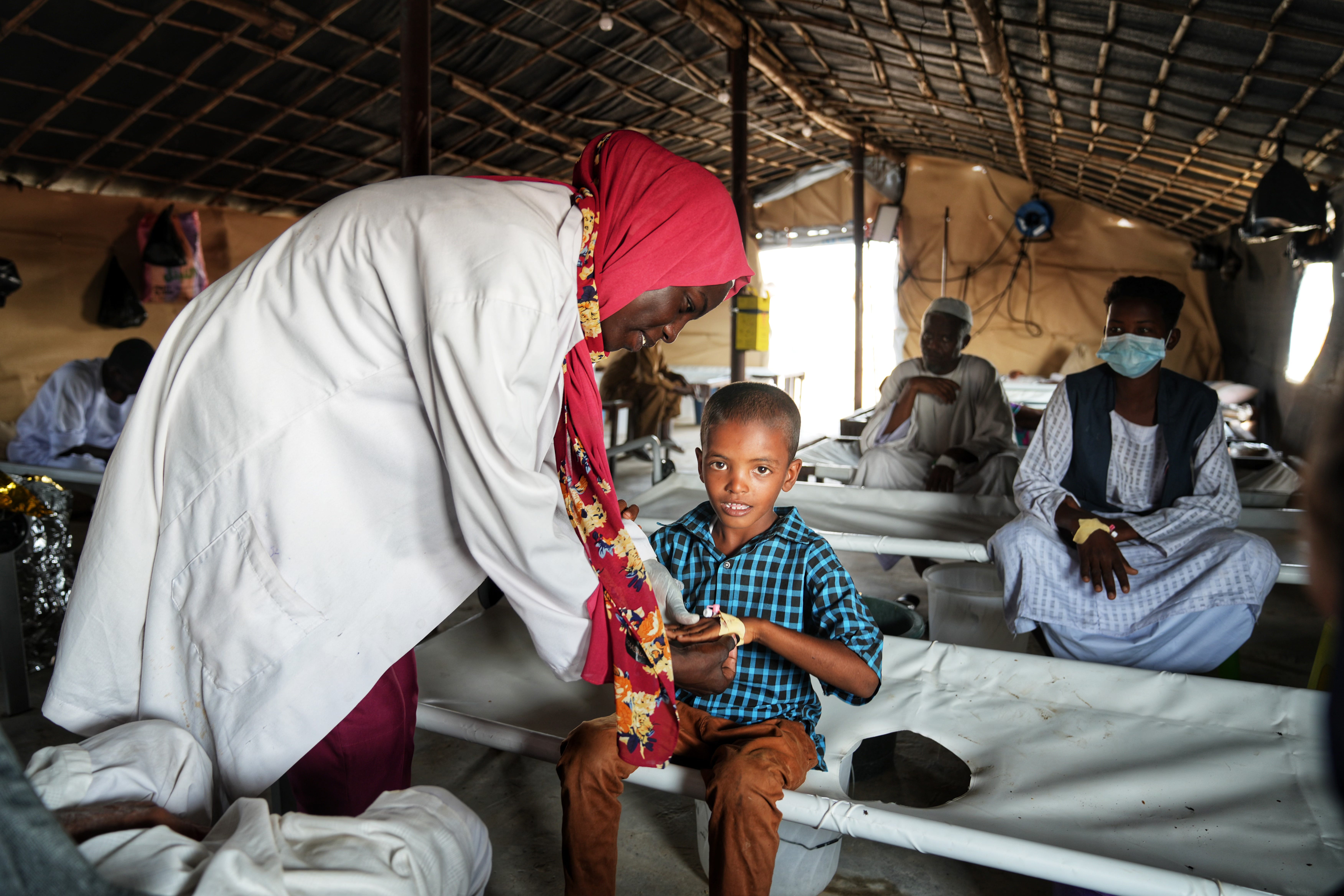
These needs are not confined within Sudan’s borders. They spill over into the vast gaps faced by Sudanese refugees fleeing for their lives to neighboring countries such as eastern Chad, where I also spent several months responding to the humanitarian crisis.
What is happening is, ultimately, a collective failure.

I have met countless firsthand eyewitnesses. One memory that stands out is meeting refugees who fled the mass killings of June 2023 and November 2023 in El Geneina, West Darfur. I met them in May 2024, when the Rapid Support Forces (RSF) began the siege of El Fasher. They recounted their horrific experiences: how thousands of their community members were slaughtered and they already feared that El Fasher would soon suffer the same fate.
I remember the shock and sadness on the faces of people returning to Khartoum after Ramadan. They were coming back to entire neighborhoods completely destroyed after months of relentless street fighting and campaigns of indiscriminate heavy artillery shelling and airstrikes. The desolation was a stark indication of the armed factions’ aim to destroy the enemy and maintain power over people without any regard for the preservation of human lives and dignity.
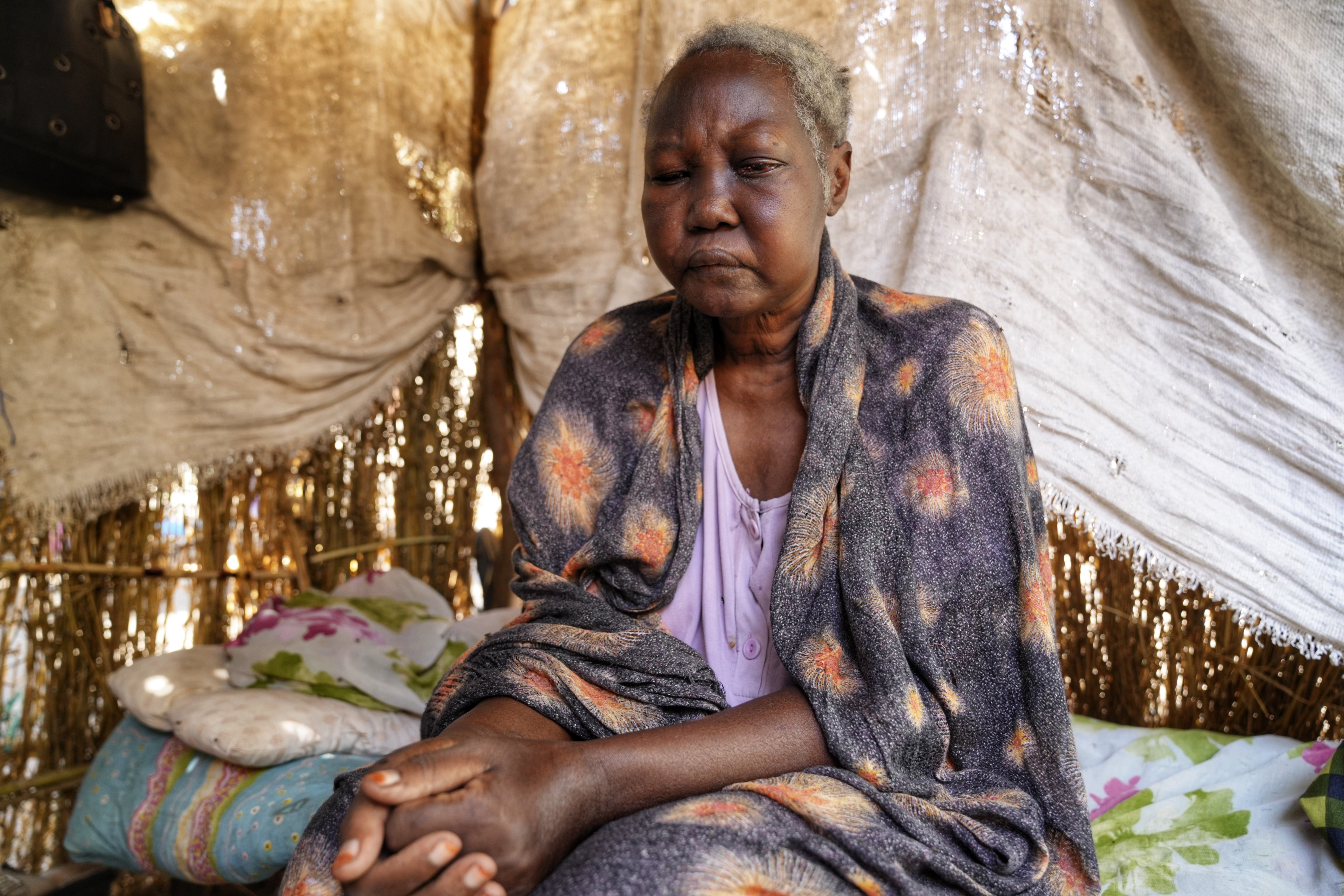
I remember the mothers in the neonatology ward of El Geneina Teaching Hospital, counting how many newborns had died during the past week alone because of the unmet gaps in healthcare delivery across West Darfur.
The scale of devastation in Sudan is soul-crushing. The complexity of the conflict cannot be summarized in a few sentences, but what is clear is that the social fabric of the country is being ripped apart, and people are being forced to take sides by the sheer pressure of survival.
The forces at play are emerging from ethnic fault lines that warring parties exploit for their own gain — much like colonial powers did before them. These societal fractures are deeply rooted in the past, and the reverberations of the current events will be felt for generations to come.

The darkest side of humanity in front of our eyes
I would not describe what we are witnessing in Sudan as “inhuman,” because that word itself is the first step of the othering process at the very root of the crisis. Rather, what we are seeing is the darkest side of humanity exposed through actions carried out against civilians in Sudan for the past 30 months.
It tragically reminds us of the genocide of the early 2000s. The violence unleashed during that period involved the exact same actors at play today, even though many relations and alliances have shifted in the meantime. For too long and still at the time of writing, the armed actors in Sudan are erasing the humanity of entire communities in their words on paper and in their speeches to justify the physical and cultural extermination of the people.

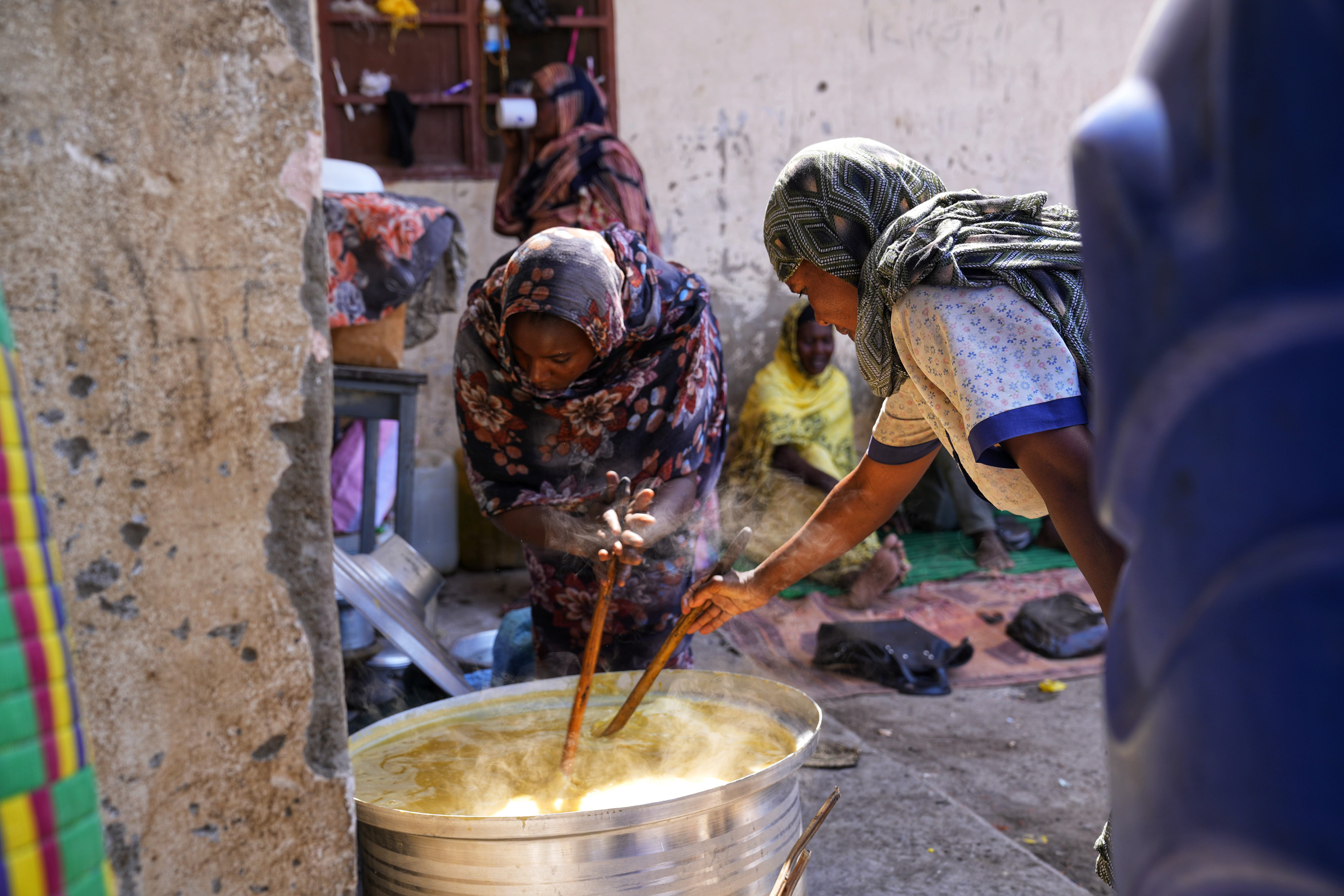
However, violence and darkness are not the only factors echoing from the past in today’s situation. The generosity, courage and boldness of the Sudanese people are also extending old traditions of solidarity in various forms. The community kitchens fed millions of people for months if not years and continue to do so. The doctors’ networks and the Emergency Response Rooms treat hundreds of thousands of patients and saved countless lives.
And these are only a couple of examples of the mutual aid ecosystem that exists in Sudan. They are not only doing an incredible work, but they are also the bulk of the aid that the Sudanese people are receiving, particularly in areas that are off-limits for international organizations and state institutions.
We all failed Sudan
The international humanitarian community failed the Sudanese people when, at the start of the war, most international staff of all institutions abandoned them to their fate. It has continued to fail by not delivering aid where it is most needed—and at the scale required—due to a lack of leadership and coherence.
The same failure extends to international mechanisms: from the United Nations Security Council (UNSC) to foreign powers deeply involved, directly or indirectly. Despite Resolution 2736 of the UNSC, which demanded that the RSF end its siege of El Fasher, no concrete or meaningful actions were taken.

In the post-truth era we live in, every belligerent claims to defend civilians and uphold international humanitarian law, while decision-makers claim they have no leverage to stop the violence. These hollow declarations are empty gestures; and the Sudanese people are still waiting to see genuine political will transform into real change in their lives.
Mutual aid flourished from tradition and conviction, but also out of necessity. As the conflict drags on, the needs continue to grow in increasing parts of the country. Weapons continue to flow from foreign powers—despite an embargo, constantly violated, that should have been expanded from Darfur to cover the whole country. And international funding continues to decrease steadily.
Despite repeated warnings, those with the power to act across the international system have failed to prevent the loss of hundreds of thousands of lives. This war is not inadvertently forgotten, but it is consciously ignored. The tragedy unfolding today was predictable, but not unavoidable.
The choice remains ours.
1. "Nous détenons toutes les preuves du soutien émirati à la milice de Hemedti", L’ambassadeur du Soudan en Turquie
2. Strategic Dialogue Between Egypt and the United States on African Affairs, with a Focus on Sudan
3. Strategic Dialogue Between Egypt and the United States on African Affairs, with a Focus on Sudan
4. Sudan: Population Displacement Intensifies as Humanitarian Infrastructure Collapses
5. السودان: تزايد حركة النزوح وانهيار البنية التحتية الإنسانية الأحد 2 نوفمبر
6. El-Fasher : fracture régionale et recomposition du pouvoir au Tchad (mis à jour)
7. Aucun crime ne saurait être excusé par les crimes commis par le camp adverse.
8. Soudan: les appels au boycott des Émirats arabes unis se multiplient après la prise d'El-Fasher par les FSR
9. Crimes des Forces de soutien rapide – Rapport du Yale Humanitarian Research Lab
